
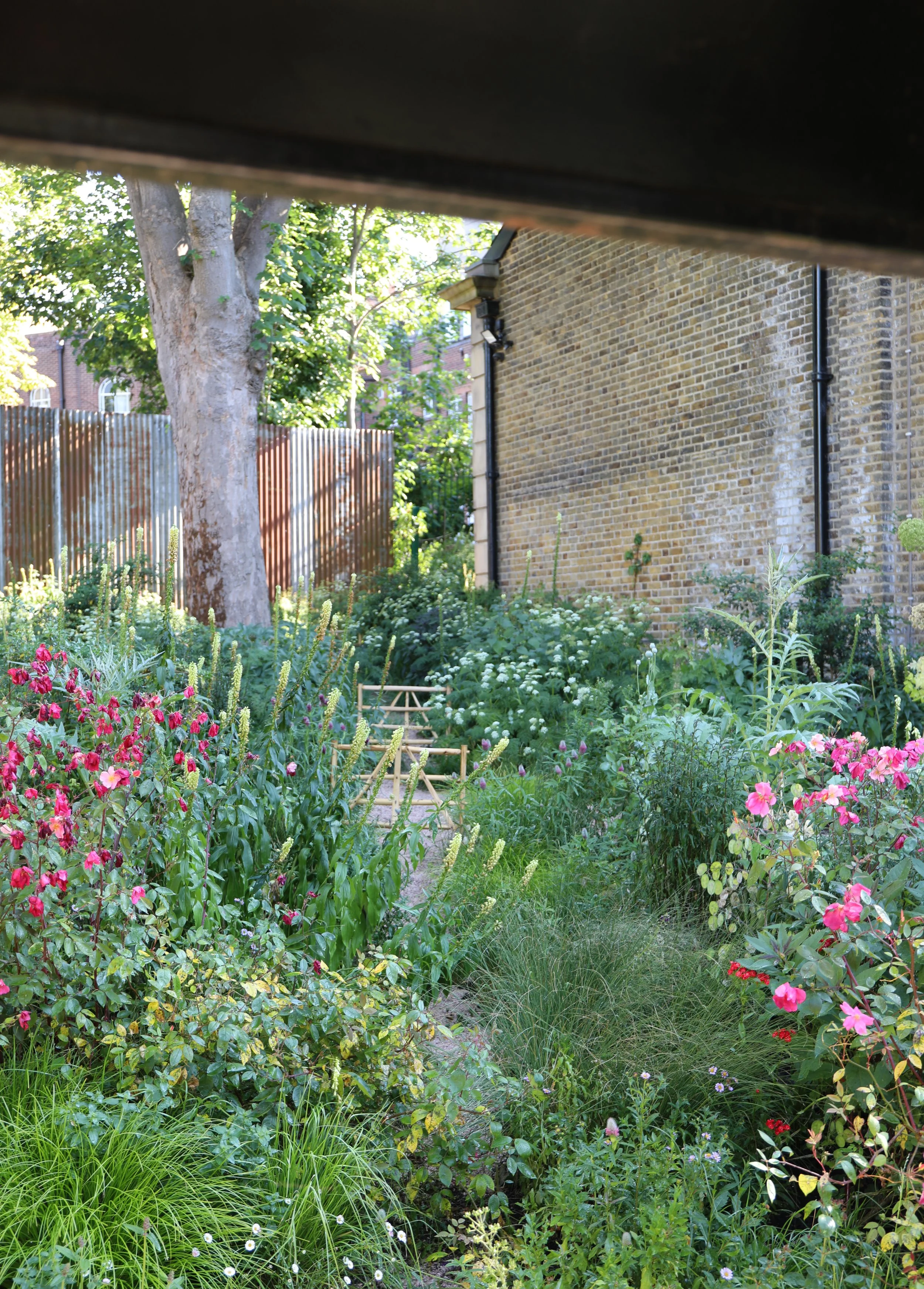
The reason I choose to be a practical gardener - hands in the soil - is that, for me, it’s the most creative thing you can do in a garden.
I work in a range of ways: regular gardening of all kinds, tending designers’ projects, collaborating on install teams, as well as reimagining spaces from scratch, conceiving and implementing planting designs and, in collaboration with other craftspeople and designers, hard landscaping where required.
I try to garden with a positive impact on the environment. This means, among other things, avoiding chemical pesticides, unnecessary power tools and transport, encouraging habitats and planting with wildlife in mind. With new projects, the default approach is to keep as much as possible. It’s amazing how far a fresh eye, some skilled renovation pruning and reshuffling of existing material can go in transforming a space.
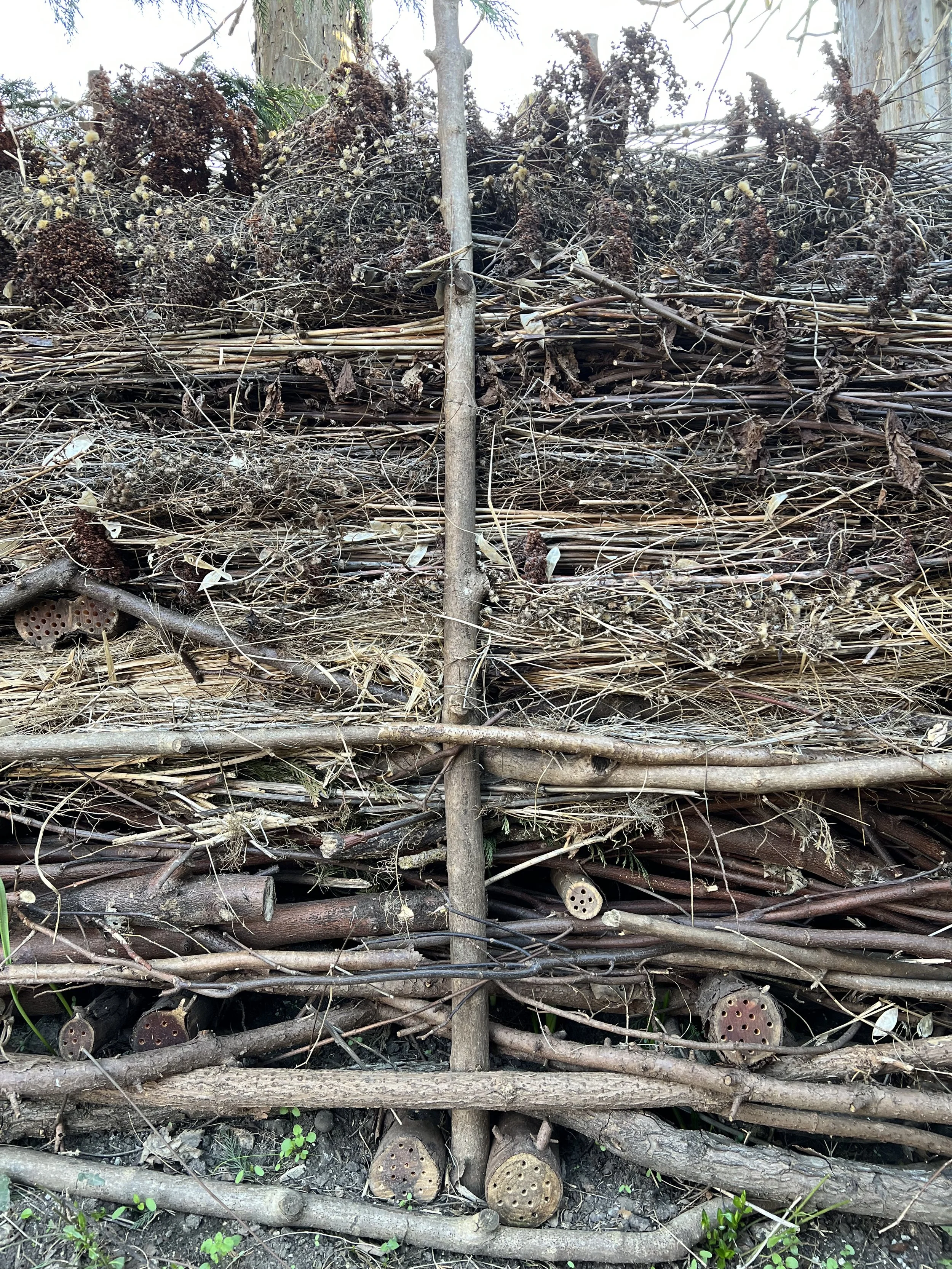
Where feasible, I work towards implementing ‘closed systems’ in gardens, minimising what is brought in or taken out of a space. For example, woody prunings could be kept on site to be used for staking perennials, as a dead hedge or in a habitat pile, and green waste and leaves might be composted or simply left on beds to rot down. When planting, I favour young plants from the UK’s brilliant independent nurseries, which are more sustainable and generally establish better than larger, more expensive specimens.
Minimalism has its place, but I often aim to build up dynamic, layered plantings, whether flamboyant or subtle, that unfold through the seasons. Bulbs, annuals and thoughtfully edited self-sowers are key to lifting a static planting scheme and extending the season for pollinators.
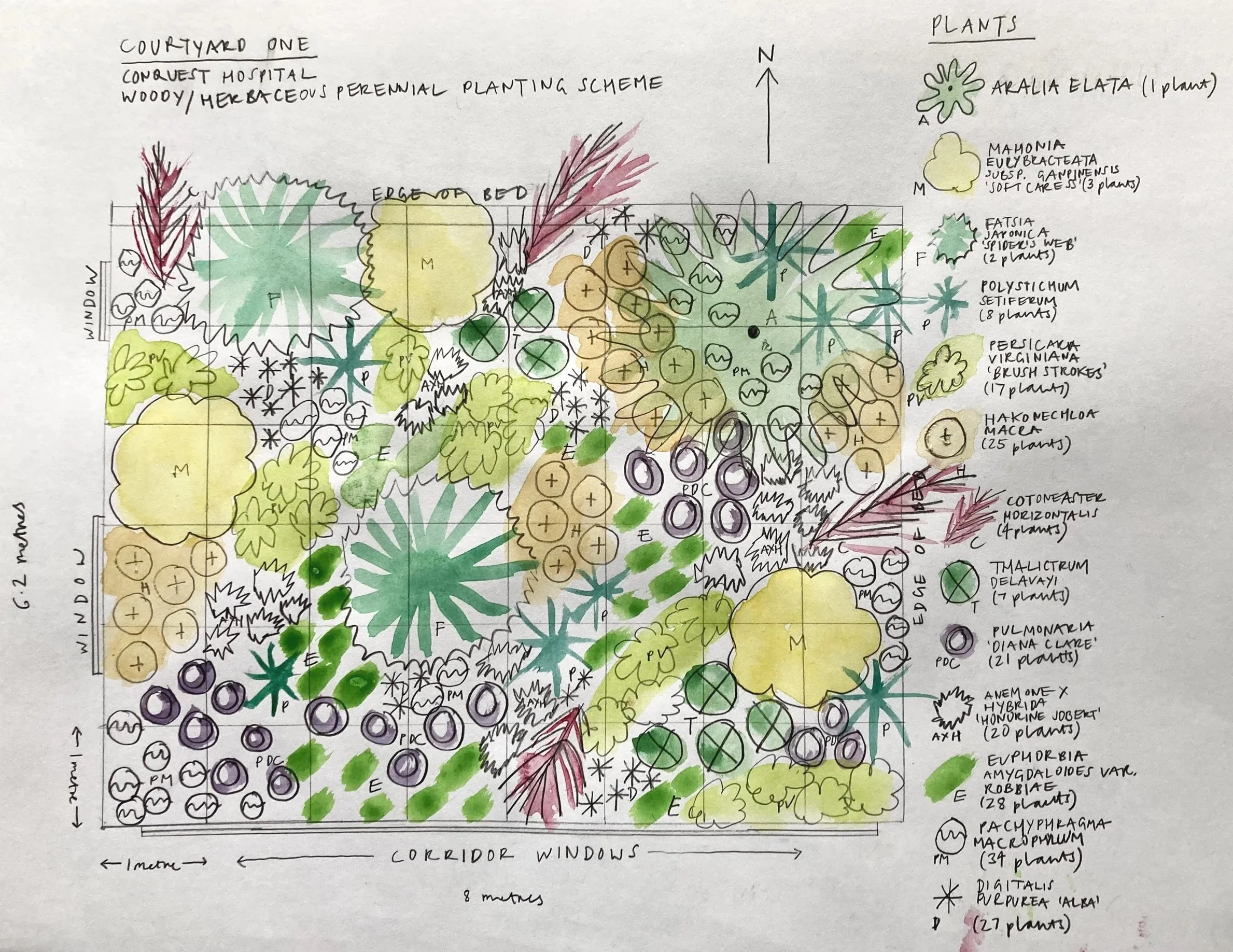
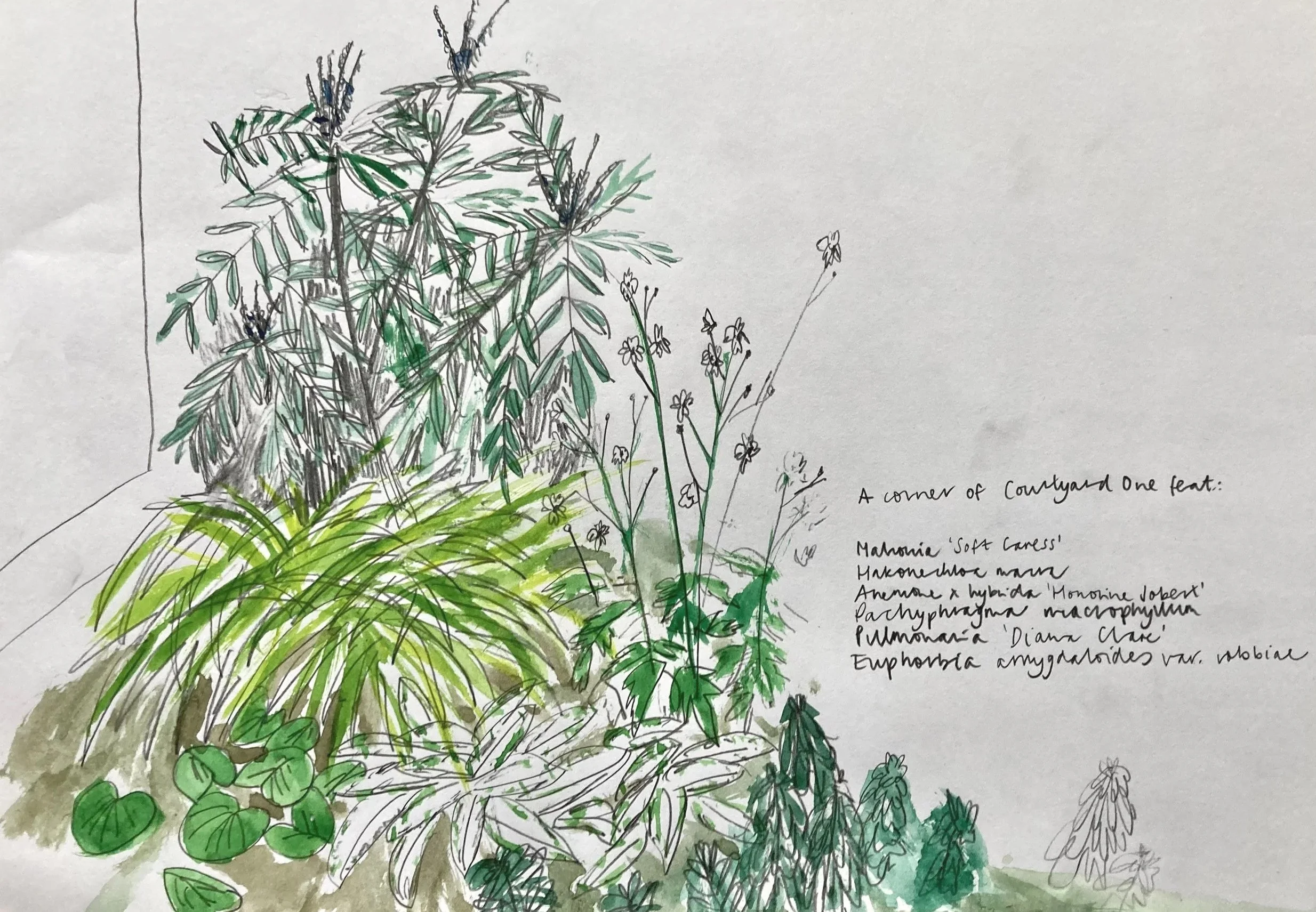
Gardening is a complex, collaborative act, working with nature, the elements, the people and the place. It’s an art, craft and science practised in time as well as space. The most beautiful, meaningful places evolve with close observation, inventiveness, instinct and experimentation. A garden never stands still, and deserves an ongoing relationship with a sensitive gardener.
I reject the prevailing hierarchy that privileges the status of the garden designer over the so-called maintenance gardener or horticulturist. Gardens are not kitchen extensions or designed interiors, complete at the point of handover. While a proficient designer or landscape architect can be a great asset at a space’s inception, a crucial element in a garden’s success - its beauty, biodiversity and atmosphere - is the way in which it is gardened over time.
Christopher Lloyd wrote that
Gardens that are made to order, even when the cleverest consultants are called in and paid the largest fees, will be spiritually dead from the outset, if the owners are not involved and do not want to learn.
It’s great collaborating with clients, but not everyone can or wants to do the gardening. A thoughtful gardener can step in to provide the so-called ‘spiritual life’; that quality of belovedness you can’t quite pin down. What’s essential is an affinity for the garden and its mutability, and the confidence to make the numerous cumulative decisions that will coax the planting to sing over time.